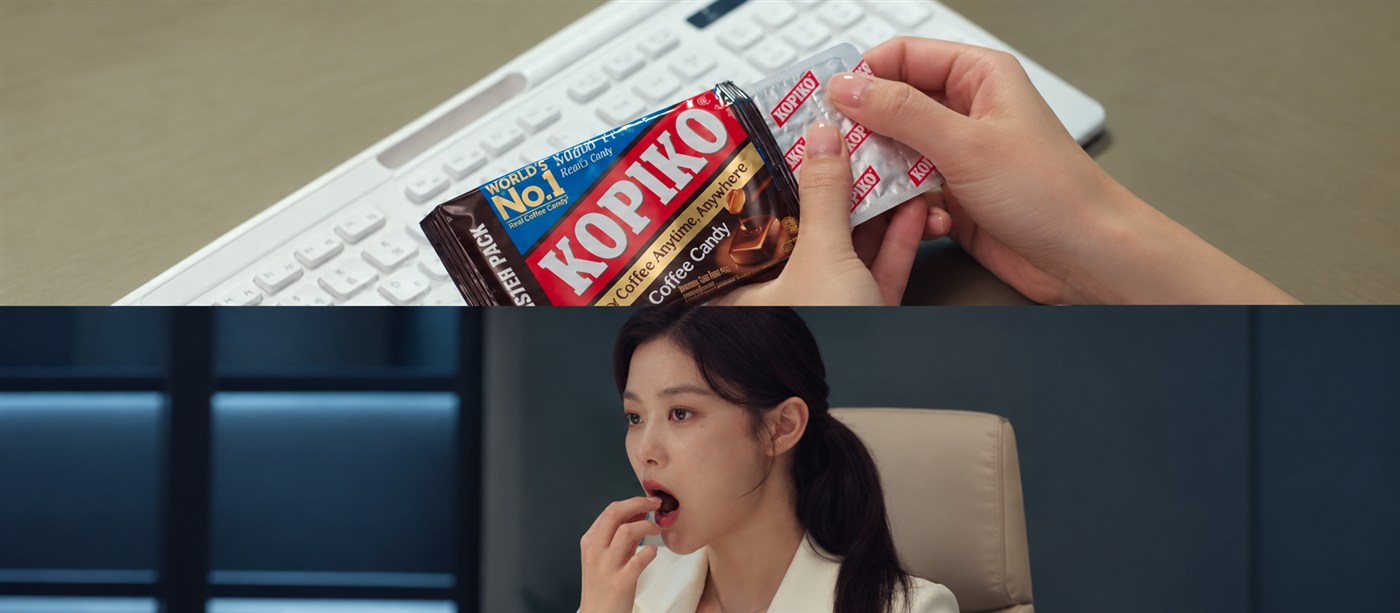
Kopiko’s repeated K-drama appearances are part of a product-placement campaign. The Indonesian coffee candy has become a running joke for some viewers, who recognize its packaging and familiar sales pitch.
Why Kopiko Appears in So Many Dramas
A June 2026 business report said Seoul importer Macrocom had paid to place Kopiko in more than a dozen series since 2021. Its examples include Vincenzo, Castaway Diva, Connection and Brave New World. Kopiko is made by Indonesia’s PT Mayora Indah Tbk.
The brand acknowledges the strategy in its own account of its K-drama campaign. Its June 2024 examples include The Atypical Family, Taxi Driver 2, Doctor Slump, Marry My Husband and Queen of Divorce. Kopiko describes the goal as making the brand memorable and associating it with characters viewers like.
Streaming and reruns extend that exposure. A placement can remain in a series long after its first broadcast, reaching people who discover the drama later.
Why the Candy Sometimes Gets Dialogue
At the 2021 ASEAN Marketing Summit, Mayora global marketing director Ricky Afrianto said the Vincenzo agreement was reached while filming was underway. He described an initial credit appearance followed by product appearances in episodes 14, 15 and 18.
Afrianto said the company wanted Kopiko to play a role in the drama. He recalled a scene in which a woman did not want a cup of coffee and a man offered the candy instead. The exchange communicated the product’s positioning through the characters’ conversation.
How the Cameo Became a Joke
In one viewer-written breakup parody, a man ends a relationship, then offers his crying partner a Kopiko. The joke imagines an emotional scene interrupted by an advertisement; it is not a verified broadcast scene.
Replies to that discussion joke about adding Kopiko to the cast credits. One commenter calls it the “Busiest actor in the industry.” In a separate thread, a viewer started collecting Kopiko appearances in their drama notes, prompting another to describe it as a side character.
The joke depends on recognition: viewers can anticipate the packet and the dialogue before the scene finishes. A commenter in another discussion said the placements used to make them cringe but now make them smile and guess the next line.
What Viewers Like and Dislike
The comments disagree about the interruption. One viewer preferred a pocket-sized candy handoff to a Subway restaurant scene because it could fit into existing action. Another found the full unopened packet and repeated dialogue more intrusive, arguing that a restaurant could already be a believable meeting place.
Others mock characters who announce relief from tiredness immediately after eating a candy.
There is purchase curiosity too. In one discussion, a commenter said the marketing had led them to buy Kopiko.
Spotting the Sales Pitch
The brand’s stated aims and those viewer complaints suggest a few things to watch for:
- A readable label held toward the camera.
- Dialogue about needing coffee or feeling tired.
- A spoken endorsement after the candy is offered.
- A pause in the conversation while the packet gets attention.
These cues help explain why a placement feels conspicuous; they do not establish the sponsorship terms of an individual scene. Our K-drama food guide covers the wider role of meals and snacks in the stories.
For the actual sweet, Kopiko’s US candy page lists Coffee and Cappuccino flavors and describes coffee-bean extract as an ingredient. Our Korean convenience-store food guide covers more snacks to look for alongside the recognizable packet.