
Watch enough K-dramas and you notice the food is never just food. A character alone with a pot lid of ramyeon is telling you about their loneliness. Black noodles appear and someone has just moved apartments or been dumped. Fried chicken arrives and a hierarchy is dissolving. The Korea Herald put it plainly in a piece on the phenomenon: from ramyeon to chimaek, K-dramas' real love language is food. Consider this your K-drama food field guide — the big three dishes decoded, what each one is saying in the scene, and how to eat your way through all of them. Once you can read the code, every eating scene becomes subtitled twice.
Ramyeon — comfort, poverty, and the most loaded invitation on TV
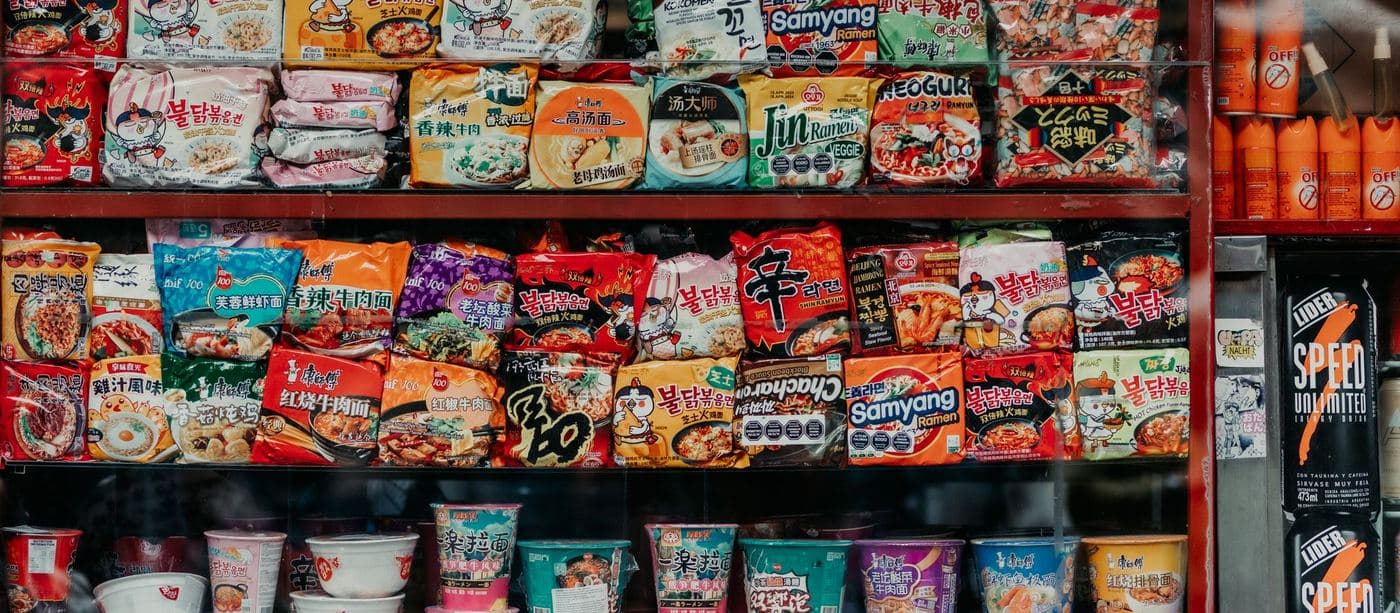
Instant noodles are K-drama shorthand for two different things. First, cheap late-night comfort: per the Korea Herald's analysis, ramyeon is the go-to food after overtime, the meal of characters who are stressed, broke, or emotionally exposed — which is why so many confession-adjacent scenes happen over a shared pot. Second, and more famously: "Do you want to come in for ramyeon?" has evolved into Korea's recognized on-screen flirtation cue, the culturally specific cousin of "Netflix and chill." When a drama character extends that invitation, nobody involved is thinking about noodles. The gentler version of the same signal is simply sharing a pot: in Don't Dare to Dream, the leads' relationship matures over a single bowl.
Jjajangmyeon — the moving-day and breakup noodle
The glossy black bean noodles are Korean-Chinese comfort food, and dramas deploy them with strict situational logic: moving day (cheap, delivered fast, eaten on cardboard boxes) and heartbreak consolation. There is also the real-world tradition the dramas wink at — jjajangmyeon as the food of Black Day, April 14, when singles who received nothing on Valentine's Day or White Day eat black noodles in commiserating solidarity. On screen, a character ordering jjajangmyeon alone is rarely having a good week.
The dish carries history the scenes rarely mention. It is a Korean adaptation of the Chinese zhajiangmian, brought to Incheon in the late 19th century by migrant workers from Shandong and served at Gonghwachun, a Chinatown restaurant founded in 1905 whose old building is now the Jajangmyeon Museum. Incheon chefs sweetened and darkened the sauce, and after the Korean War it was sold cheaply enough that anyone could afford it — which is exactly why it still reads as the humble, everybody's-noodle it is on screen. Even the spelling has a story: "jjajangmyeon", the way nearly every restaurant writes it, was only accepted as standard Korean in August 2011.
Chimaek — the K-drama food export that dissolved hierarchy
Chimaek — the portmanteau of "chikin" and maekju, beer — is the biggest food export K-dramas ever engineered. Per the Korea Herald, the pairing functions in Korean storytelling as an escape valve: sharing fried chicken and beer after a brutal workday signals equality, a momentary flattening of the office pyramid, which is why dramas use chimaek scenes to mark relationships crossing from formal to real. The genre's most famous data point: in My Love From the Star (2014), Jun Ji-hyun's character declares that "a snowy day is perfect for some chimaek" — a line credited with igniting an actual chimaek craze in China, with queues outside Korean chicken shops that averaged three hours — the double-fried original is worth making yourself.
The Herald's own examples show how reliably the device is used: Misaeng puts exhausted office workers around chicken and beer after another brutal day, Hospital Playlist turns chimaek nights into the doctors' camaraderie, and in About Time quiet chimaek moments are where the leads drop their guard.
Coffee — the quiet fourth food
The trope most viewers miss is not a meal. In Korean workplaces, picking up coffee for the team before a meeting is a small gesture of consideration, and dramas use the cup the same way — a nonverbal way to soften tension or offer goodwill without saying it. In Judge vs. Judge, a handed-over coffee starts the closeness between the leads; Because This Is My First Life tracks a relationship through the ritual of making morning coffee.
Daniel's Bite
The under-discussed reason food scenes dominate K-dramas is production economics meeting culture: eating scenes are cheap to shoot, natural for dialogue, and Korean audiences read food fluently as emotional information — so writers get maximum characterization per won. But watch what the biggest global hits do: they lean into the most ordinary foods, not royal cuisine. Ramyeon at a convenience-store window did more for Korean food tourism than any palace banquet sequence, because viewers can actually go eat the scene. My prediction: the convenience-store meal — triangle gimbap, cup ramyeon, banana milk at a plastic window counter — is the next K-drama food trope to go globally mainstream, for the same reason chimaek did: it is a complete, affordable, copyable experience.
What to try next
- Recreate drama ramyeon properly: cook it in a shallow pot, eat off the lid, add an egg at the end.
- Order jjajangmyeon delivery the next time you move apartments — method acting, but delicious.
- Stage a chimaek night: double-fried chicken, cold lager, the pouring rituals, and the K-drama that started your obsession.
- Do the convenience-store version of a drama meal — our convenience store food guide covers what to buy.
K-drama food FAQ
What does "Do you want to come over for ramyeon?" mean?
It is a well-known flirtation cue in Korean pop culture, often with a sexual undertone — the invitation is not really about noodles.
Why do K-drama characters eat jjajangmyeon when they move?
It is cheap, fast delivery food, which makes it the practical meal on a day spent among boxes — and the dramas turned that habit into a visual shorthand.
What is chimaek?
Fried chicken and beer — "chikin" plus maekju. In dramas it signals a break from hierarchy after a hard day.
Which drama made chimaek famous abroad?
My Love From the Star (2014), whose heroine's line about chimaek on a snowy day set off a craze in China.
Where did jjajangmyeon come from?
Incheon, in the late 19th century — a Korean adaptation of a Shandong noodle dish brought over by Chinese migrant workers.
Sources
- Korean food on screen — The Korea Herald
- Jajangmyeon — origins and delivery culture — Wikipedia
- Ramyeon — Korean instant noodles — Wikipedia